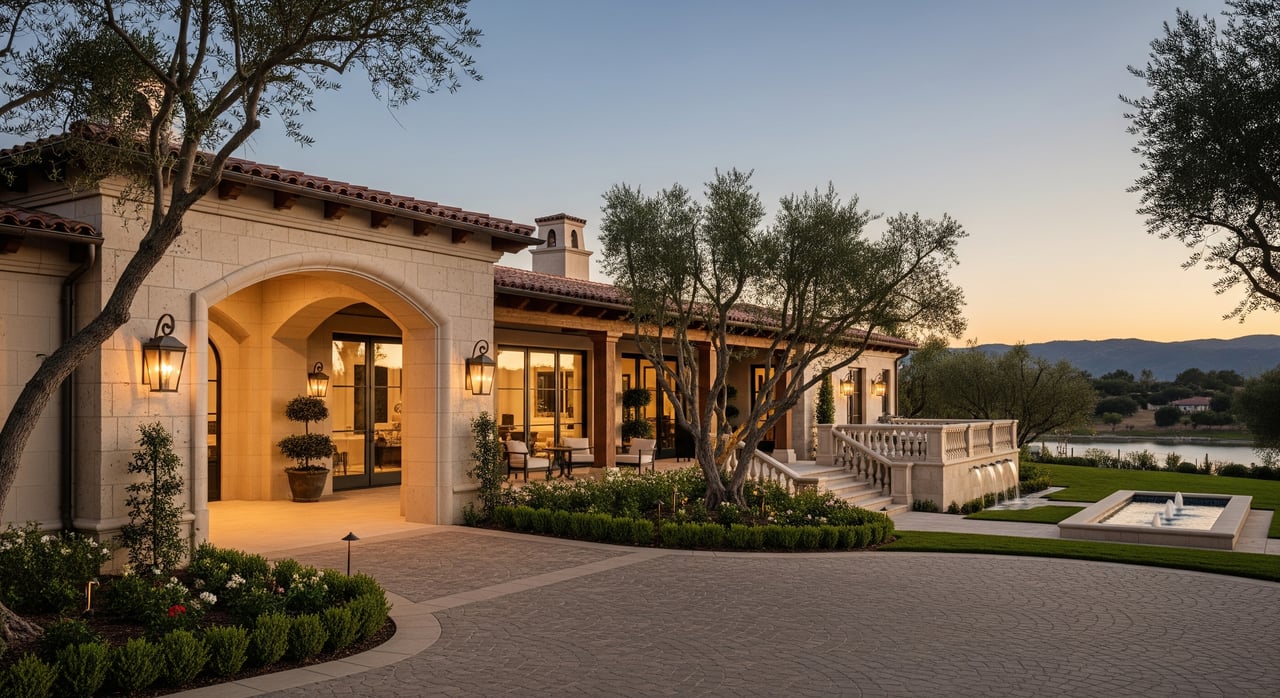
How Escrow Works for Westlake Village Homebuyers
December 4, 2025
Buying in Westlake Village is exciting, and escrow is where your purchase becomes real. If you are a first-time buyer or moving up to a larger home, the steps, deadlines, and documents can feel unfamiliar. This guide shows you exactly what to expect in our local market so you can move through escrow with confidence. You will learn the timeline, who does what, what things typically cost, and smart ways to stay on track. Let’s dive in.
Escrow is a neutral third party that holds funds and documents, coordinates lender and title requirements, and releases money when contract conditions are met. In California, escrow is often handled by an escrow company or the escrow department within a title company. It works closely with your lender, your agent, the seller’s agent, and the title officer to finish the transaction.
For consumer background on how escrow and title services work statewide, review the California Department of Real Estate’s guidance on escrow and title services. Standard contracts, including the widely used Residential Purchase Agreement, come from the California Association of REALTORS, and local practice adapts timelines within that framework. You can learn more about contract structure at the California Association of REALTORS.
Exact deadlines are set in your signed purchase contract. The ranges below reflect common practice in Westlake Village and the Conejo Valley.
Typical timing: Cash purchases close in about 7 to 14 days. Financed purchases often close in 30 to 45 days, depending on lender speed, appraisal timing, and how quickly you respond to requests.
Your earnest money shows good faith and is credited toward your purchase at closing. In the Conejo Valley, the initial deposit is commonly 1 to 3 percent of the purchase price. Some contracts include a second deposit after a short period. Your contract usually requires the initial deposit within 1 to 3 business days of acceptance.
Contingencies protect you while you complete due diligence. Common buyer contingencies include inspection, loan, appraisal, title, and HOA review for condo or planned community properties. If you cancel within an active contingency period as allowed by the contract, your earnest money is typically returned. The California Association of REALTORS provides the standard forms used to set these timelines and rights. For general information on forms and consumer guidance, visit the California Association of REALTORS.
Most buyers order a general home inspection and a separate pest inspection. Depending on the property, you may add roof, pool, HVAC, sewer, or other specialist inspections. In our area, inspections are commonly scheduled within the first week, and the overall inspection contingency is often 7 to 17 days. Use this time to:
If you and the seller agree to repairs or credits, these are documented for escrow. If you cannot reach agreement, the contract governs your options to cancel within the contingency period.
If you are buying a condo or a home in a common interest community, you will receive an HOA resale package. It typically includes CC&Rs, bylaws, budgets, reserves, rules, meeting minutes, and any special assessments. California law sets required HOA disclosures under the Davis‑Stirling Act. You can read the statutory framework by searching Davis‑Stirling in the California Legislative Information portal.
Local HOAs in the Conejo Valley often deliver resale documents within about 10 days of request. Your contract usually provides a short review and possible cancellation period after you receive them, commonly around 3 days. Focus on budget health, reserve studies, meeting minutes, and any pending or recent assessments that could affect your costs.
For general city resources that may affect property questions or permits, visit the City of Westlake Village.
Your lender orders the appraisal and manages underwriting. Appraisals generally land within the loan contingency window, and the timing depends on appraiser availability. If the appraised value comes in below the contract price, you and the seller decide whether to adjust price, add buyer cash, or seek a lender solution.
The title company provides a preliminary title report that lists existing liens and items to be cleared. You usually receive an owner’s title policy at closing and your lender receives a lender’s policy. In much of Southern California it is common for the seller to pay for the owner’s policy and for the buyer to pay for the lender’s policy and loan-related fees, but this is negotiable and set in the contract.
On closing day, escrow arranges for the deed to be recorded at the county recorder. Westlake Village spans Los Angeles County and Ventura County, so your recorder depends on the specific property address. You can learn about recording processes at the Los Angeles County Registrar‑Recorder/County Clerk or the Ventura County Recorder.
Costs vary by price point and service provider. Your contract decides who pays each line item, and many fees are negotiable.
Ask your escrow officer for an updated fee estimate as soon as you open escrow so you can plan your wire and final cash to close.
Keep your transaction moving with a few practical steps common to Westlake Village purchases.
For statewide consumer resources on escrow and title, see the California Department of Real Estate.
Escrow has many moving parts, but with a clear plan and a responsive team, you can navigate each step smoothly. If you want tailored guidance for a Westlake Village or Conejo Valley purchase, connect with Jaime Krupnick to map your timeline, coordinate inspections, and move from offer to keys with concierge-level support.
Stay up to date on the latest real estate trends.



From first conversation to closing day and beyond, Jaime delivers a true concierge experience. She guides clients through every step of buying and selling with clarity and confidence, backed by a trusted team of top-tier professionals. Her team can assist every step from staging and design to photography, inspections, contractors and lending, ensuring the process feels seamless, elevated and exceptionally well managed.
Jaime Krupnick | CA DRE# 02139605
[email protected]
(310) 749-0703
100 N Westlake Blvd Ste 100A
Westlake Village, CA 91362
Rodeo Realty, Inc. | CA DRE# 00951359