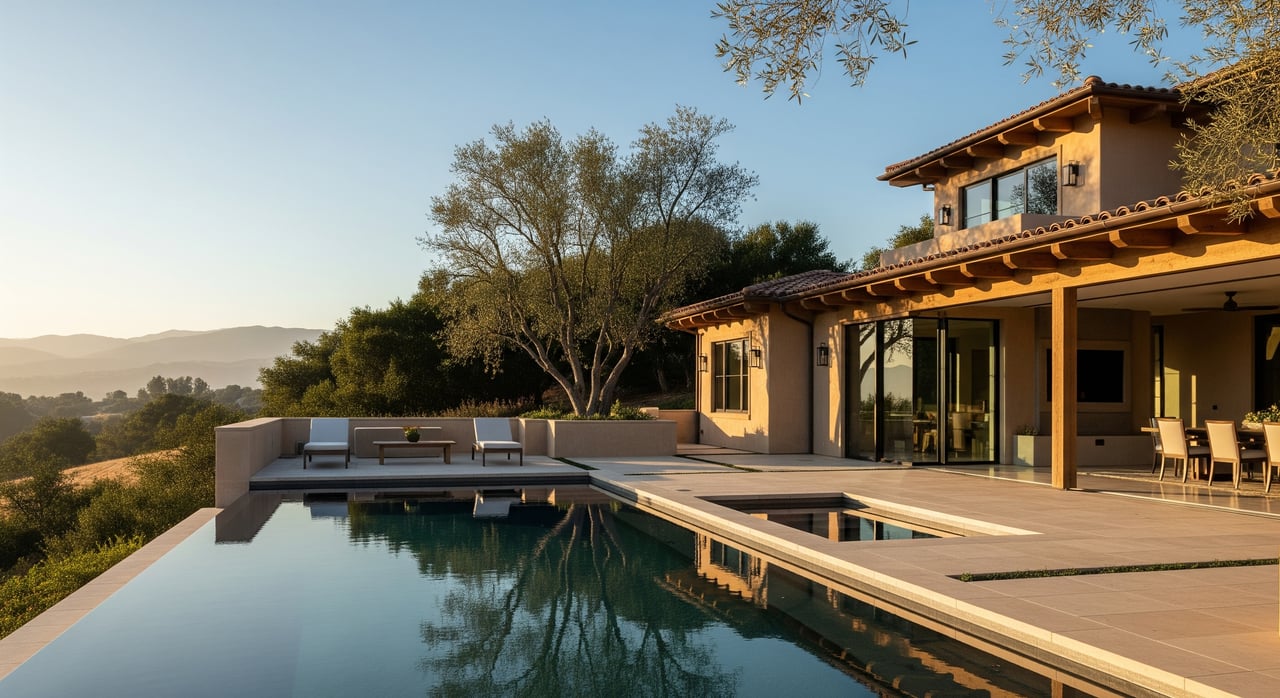
How We Price Luxury Estates in Thousand Oaks
January 15, 2026
January 15, 2026
What is your estate really worth in today’s Thousand Oaks market? If you own a custom property with acreage, views, or designer upgrades, you deserve a clear, defensible answer. In this guide, you’ll see exactly how we analyze your estate, choose the right comparables, quantify premiums and discounts, and translate it all into a strategic listing range. Let’s dive in.
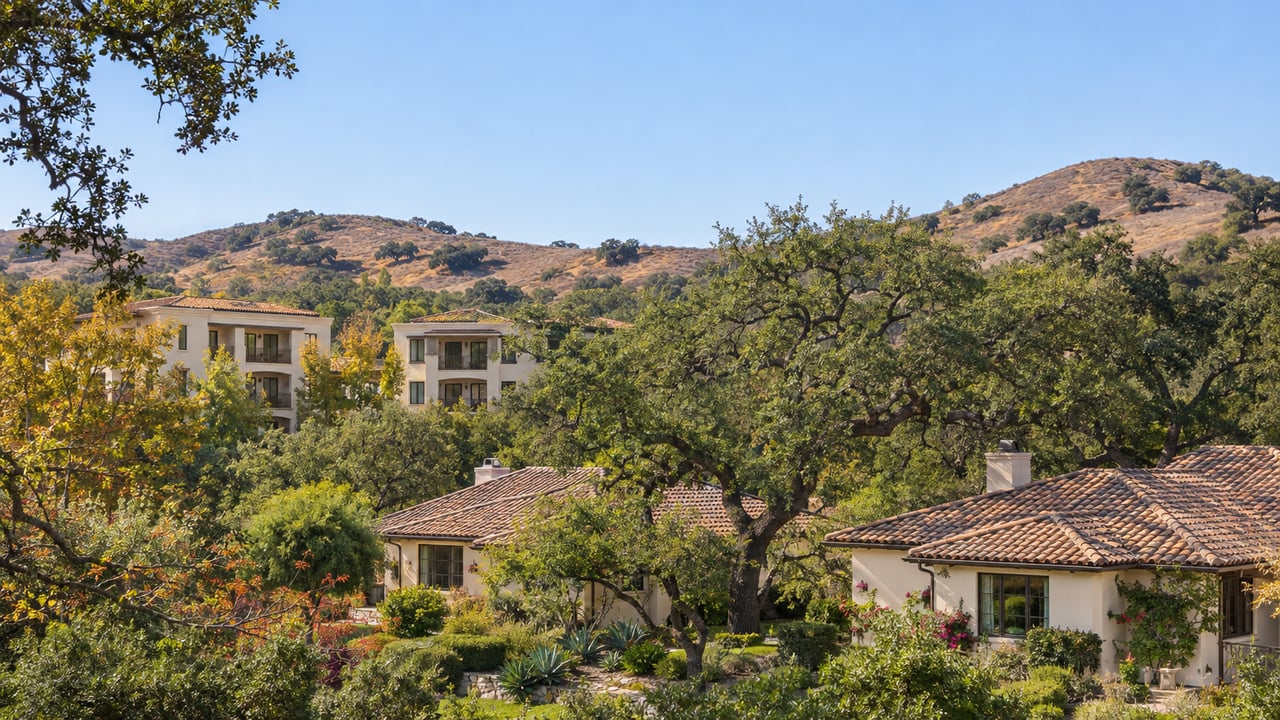
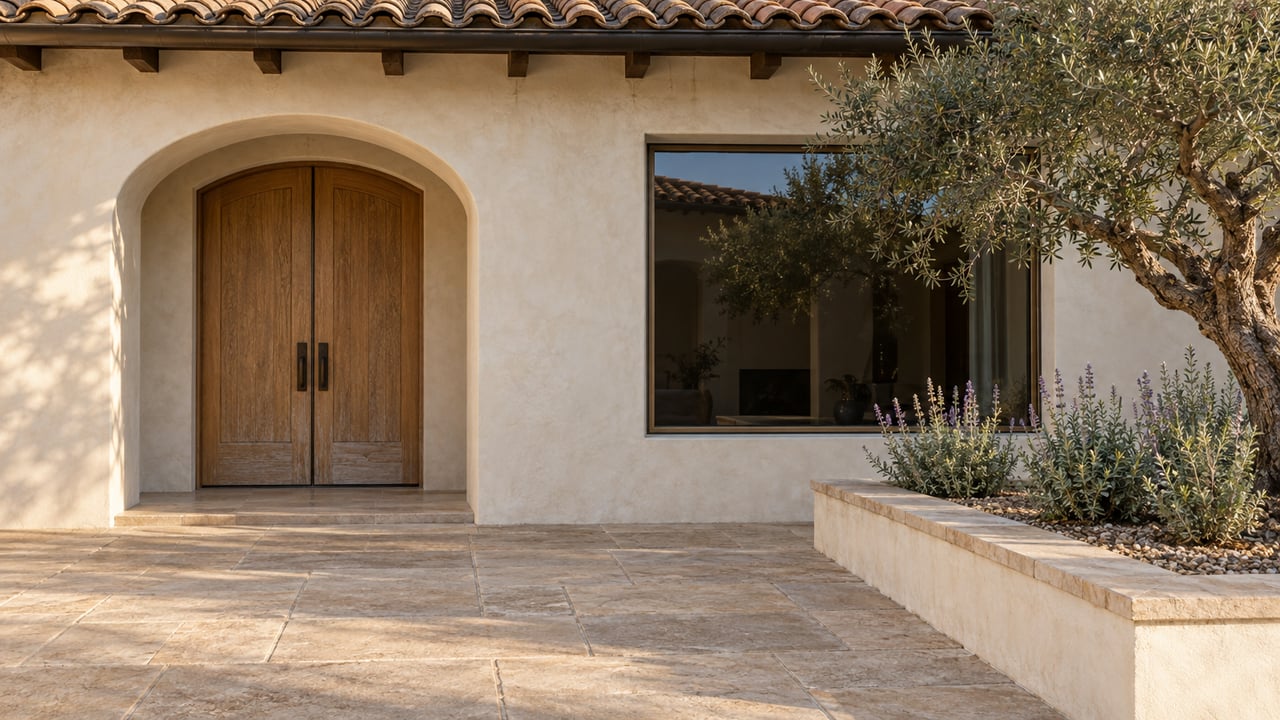
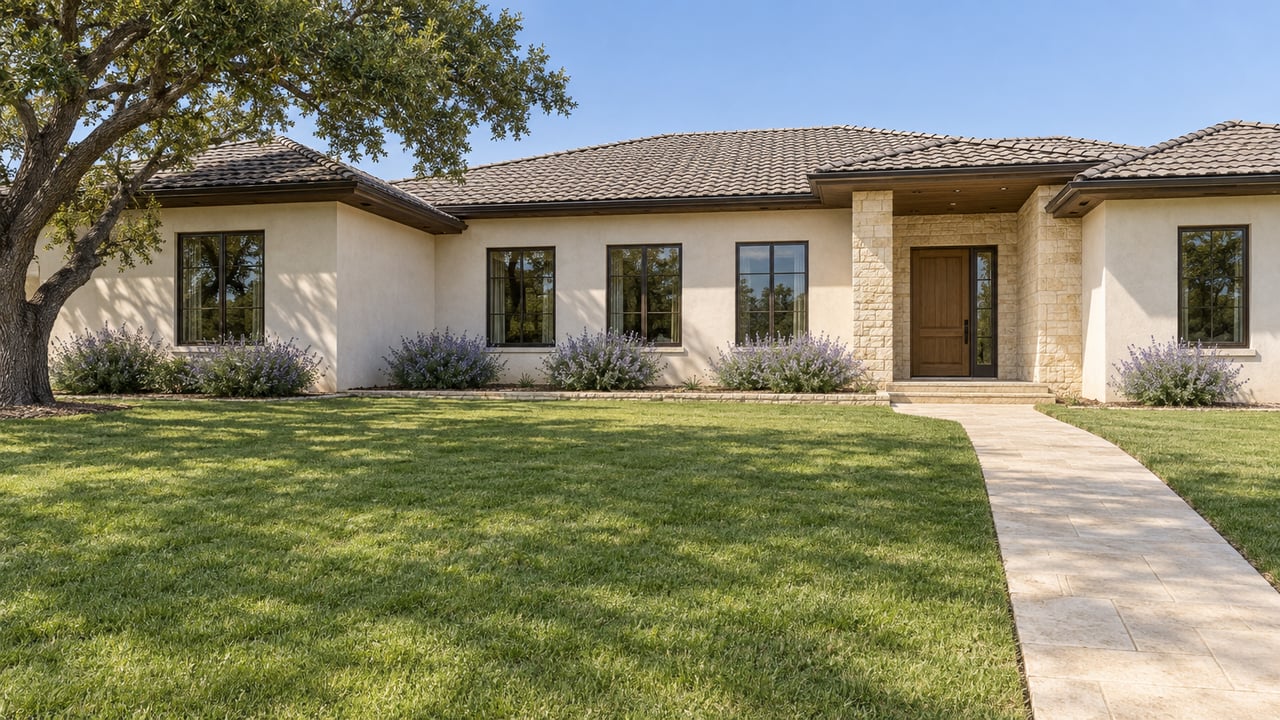
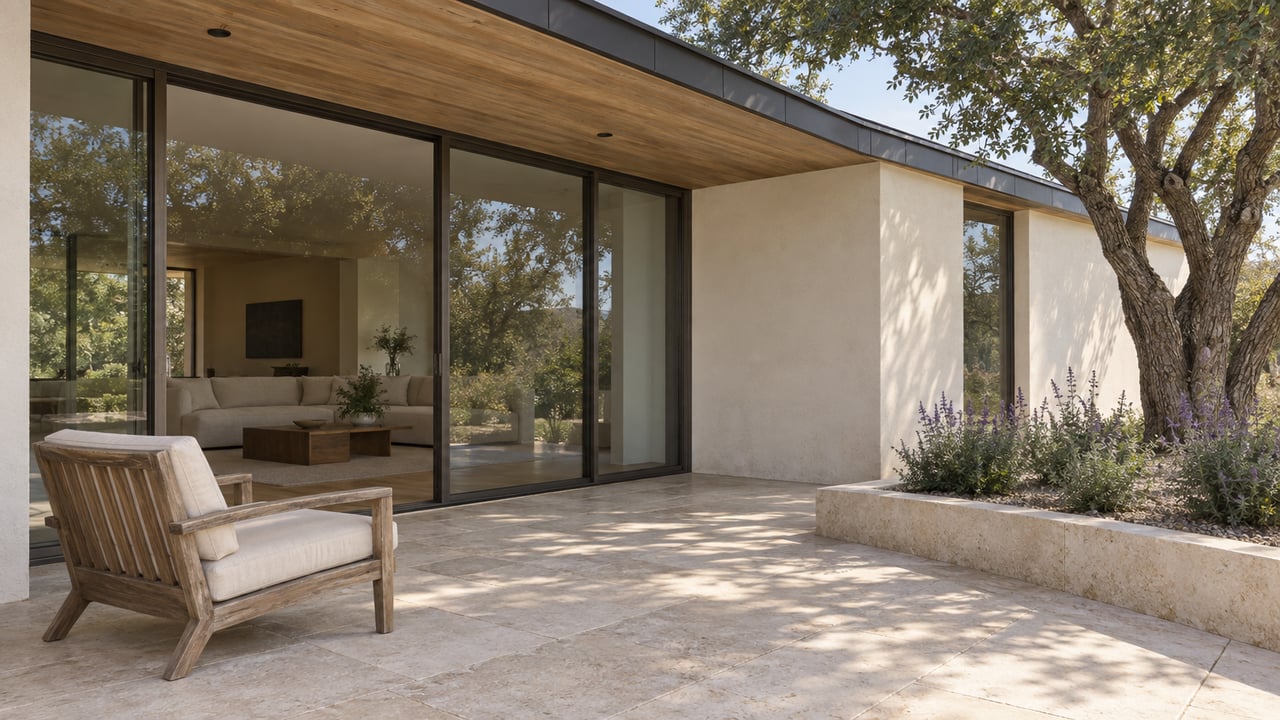
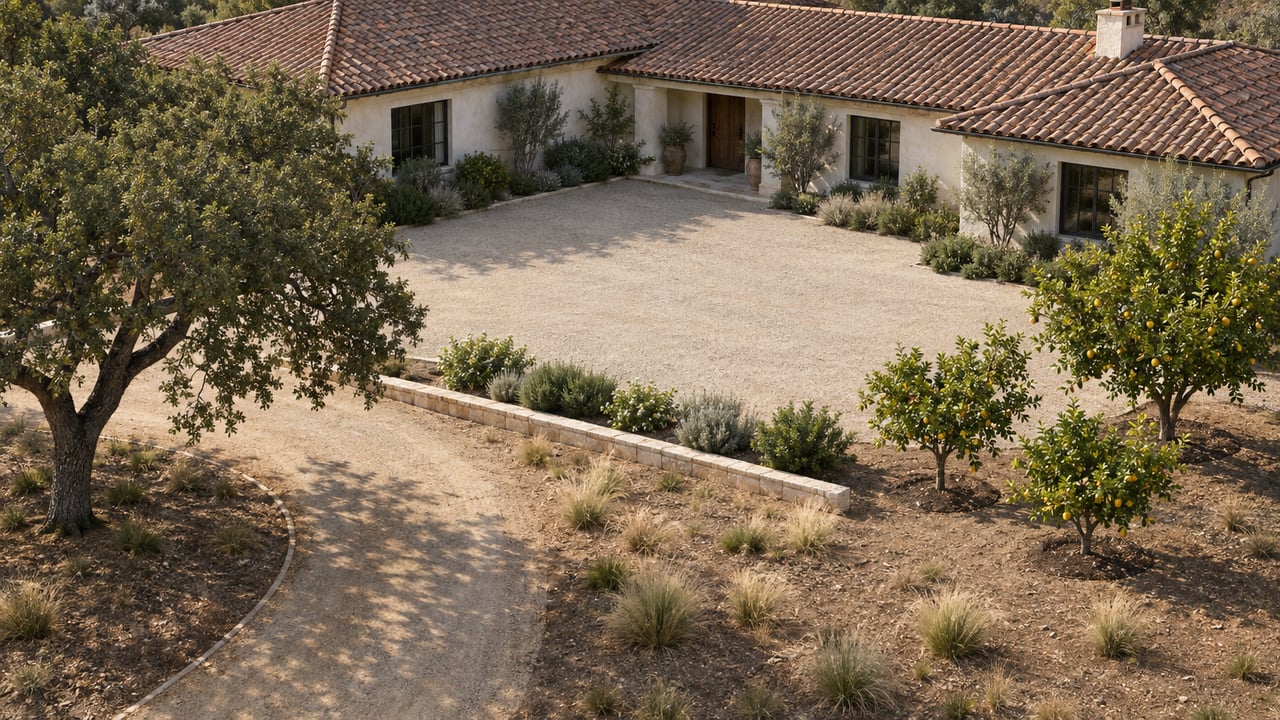
Thousand Oaks sits in a suburban, largely owner-occupied pocket of Ventura County with many custom homes on larger lots and hillside settings. Luxury estates often feature privacy, gated driveways, high-end architecture, usable acreage, and substantial outdoor living. Inventory moves more slowly than mainstream homes, and buyer origin, seasonality, and sales cadence affect price sensitivity. Local permitting patterns and natural hazard factors, including wildfire exposure, can also influence value and marketability.
We start with a detailed property profile: lot description, effective age, gross living area, bedroom and bath count, condition, and notable features like guest units, pool, wine cellar, theater, elevator, and private road. We document major systems and the status of permits for any improvements. This creates the baseline that guides comp selection and adjustments.
We clarify purpose and conditions: market value to set a listing price or an opinion for planning. Your pricing posture matters. If you want a faster sale, we may recommend a conservative ask; if you want to test the top of the market, we’ll discuss the tradeoffs.
We pull data from the most relevant window, typically 6 to 18 months, and extend to 24 to 36 months when the market is thin. We prioritize your micro-market first, then adjacent Thousand Oaks or comparable Ventura County pockets. We target properties with similar lot bands, view quality, architecture, finish level, and key amenities, including off-market sales where details are verifiable.
Each comp is checked for permit history and accurate square footage. We remove outliers that differ materially in location, utility, or legal status. Where needed, we plan time adjustments to account for market movement.
Using paired-sales analysis when possible, we adjust for size, view, acreage, pedigree, upgrades, condition, and specialized features. For straightforward size differences, we often apply dollar-per-square-foot. For high-impact, whole-property attributes like panoramic views or architectural pedigree, we use percentage or lump-sum adjustments informed by local signals and accepted valuation practice.
We weight the most similar and most recent comps more heavily. The result is a clear listing range, not a single number, with scenario notes on upside and downside. We also factor in likely days on market and any deferred maintenance that could influence negotiations.
Finally, we integrate a marketing plan and buyer funnel, including potential reach to LA Metro and international buyers. We consider staging and upgrade timing that could justify a higher list strategy. The goal is to price with precision and position for maximum leverage.
View tiers range from none to partial, primary valley or ocean, and panoramic ridge-to-ocean. View quality can be one of the largest drivers of value for hillside estates. We use paired sales within the same micro-market when available and apply percentage or dollar adjustments supported by local evidence. We are careful to account for seasonal obstructions and potential future development.
We separate total acreage from usable, developable land. Flat, usable acres often carry a higher per-acre value. We reference local land sales and adjust for constraints like slope, septic capacity, or easements. Marginal acres rarely price in a linear way, so we model the first usable acre differently than steep or less usable terrain.
Recognized architects, award-winning design, or notable designer renovations can command a premium. We look for sales by the same architect or close design analogs. When direct evidence is limited, we consider a measured, qualitative premium supported by market signals and buyer demand.
We distinguish cosmetic changes from functional upgrades, such as mechanical systems or structural work. Replacement cost provides a check, but market acceptance determines value. Designer kitchens and baths may not return dollar-for-dollar, so we anchor uplift to local sales that show buyer willingness to pay for similar improvements.
Deferred maintenance typically requires downward adjustments. Floor plan efficiency, bedroom count, and functional flow matter. We use local cost-to-cure estimates or market-based percentage adjustments where supported by comps.
Permitted guest houses or ADUs usually add measurable value. Specialized amenities, such as equestrian facilities or tennis courts, appeal to narrower buyer pools, so adjustments reflect actual market demand. We quantify these features separately so you see the specific contribution.
Unpermitted improvements create risk and often reduce value. We verify permit histories and outline two paths when appropriate: selling as-is with a discount or curing the issue and aiming for a higher target. Approved entitlements can add value based on the time, cost, and difficulty they save a future owner.
Privacy, gated access, and quiet positioning can warrant premiums. Wildfire exposure and slope risks can create discounts, tempered by mitigation measures and insurability. We align adjustments to sales in similarly exposed or protected locations.
When comps close in different months or years, we apply time adjustments guided by local trend indicators. Luxury estates often require longer listing windows and may see a wider ask-to-sale spread, so liquidity expectations are built into the recommended strategy.
Subject: 4,800 square feet on 3.5 acres with panoramic valley-to-ocean views, a pool, and a permitted guesthouse. We selected three recent comps, including two ridge properties with similar views and one larger interior comp with a lesser view. Adjustments centered on view premium, lot usability, GLA differences, and the contributory value of the guesthouse. We weighted the ridge comps most heavily and produced a listing range reflecting the scarcity of comparable ridge-top supply.
Subject: 12 usable flat acres, equestrian facilities, and a custom ranch home. With limited direct comps, we built a land value baseline using recent acreage sales expressed as price per usable acre. We added the contributory value of the residence and barn using a cost cross-check and a small set of improved sales. Zoning and development rights informed the upper band of the range.
Subject: 6,000 square feet, signature architect, fully renovated systems and kitchen, no view, private gated setting. We assembled architect-designed and recently renovated comps, then applied a pedigree premium where supported. High-end improvements were itemized and measured against market uplift rather than pure replacement cost. The final range reflected limited direct analogs, so we presented a wider band with clear rationale.
Subject: 3,500 square feet permitted plus a 1,200 square foot unpermitted finished addition, pool, and mid-scale finishes. We verified status with the building department, obtained cost-to-legalize estimates, and provided two scenarios: as-is value with a risk discount, and post-remediation value. This allowed the seller to decide whether to cure before launch.
You receive a documented value range with clear drivers: view, acreage, pedigree, upgrades, condition, and time. We outline sensitivity points and the likely days on market at different price positions. If remediation or targeted upgrades could unlock value, we sequence those with staging and launch timing. For luxury estates, we align pricing with a tailored plan that can include event-style presentation, discreet off-market exposure, and broader reach to LA Metro and international buyer pools.
If discretion is essential, request a confidential review. We can provide a preliminary read within 48 to 72 hours, followed by a full written opinion.
Ready to see where your estate should be priced and why? Request a Private Consultation with Jaime Krupnick for a discreet, data-forward valuation and a boutique marketing plan.
Stay up to date on the latest real estate trends.

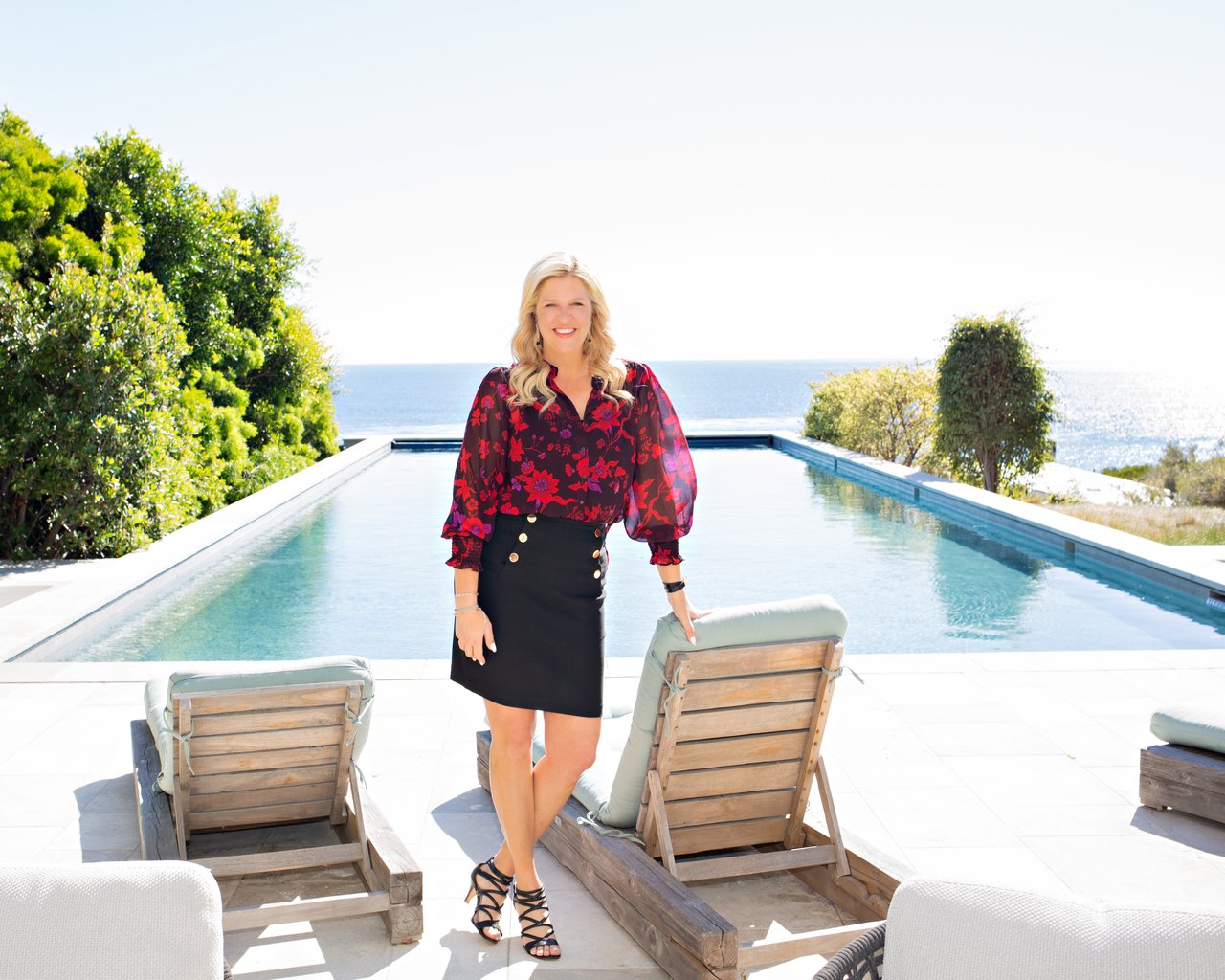
From first conversation to closing day and beyond, Jaime delivers a true concierge experience. She guides clients through every step of buying and selling with clarity and confidence, backed by a trusted team of top-tier professionals. Her team can assist every step from staging and design to photography, inspections, contractors and lending, ensuring the process feels seamless, elevated and exceptionally well managed.
Jaime Krupnick | CA DRE# 02139605
[email protected]
(310) 749-0703
100 N Westlake Blvd Ste 100A
Westlake Village, CA 91362
Rodeo Realty, Inc. | CA DRE# 00951359