Living On The Lake In Westlake Village
February 5, 2026
What if your morning coffee came with soft water reflections and the sound of paddles cutting across a quiet lake? If you are considering Westlake Village, you are likely weighing the beauty and convenience of lakefront life against rules, costs, and maintenance. You want a clear picture before you choose a home or prepare to sell one. In this guide, you will learn how the lake works, what daily life really looks like, which rules matter, and how pricing and resale tradeoffs play out in Westlake Village. Let’s dive in.
Westlake Lake is a privately controlled, manmade lake at the heart of a planned community. Day‑to‑day operations such as dock standards, permitted watercraft, and lake maintenance are typically handled by a lake management association. Your subdivision may also have its own HOA with separate rules and dues. City or county agencies manage municipal services like roads, policing, and general permitting.
This layered structure is why governance matters. Dock rights, slip assignments, guest access, and motor rules are not the same for every address. Confirm the rights attached to the exact parcel you are evaluating. These details shape your lifestyle and affect resale value.
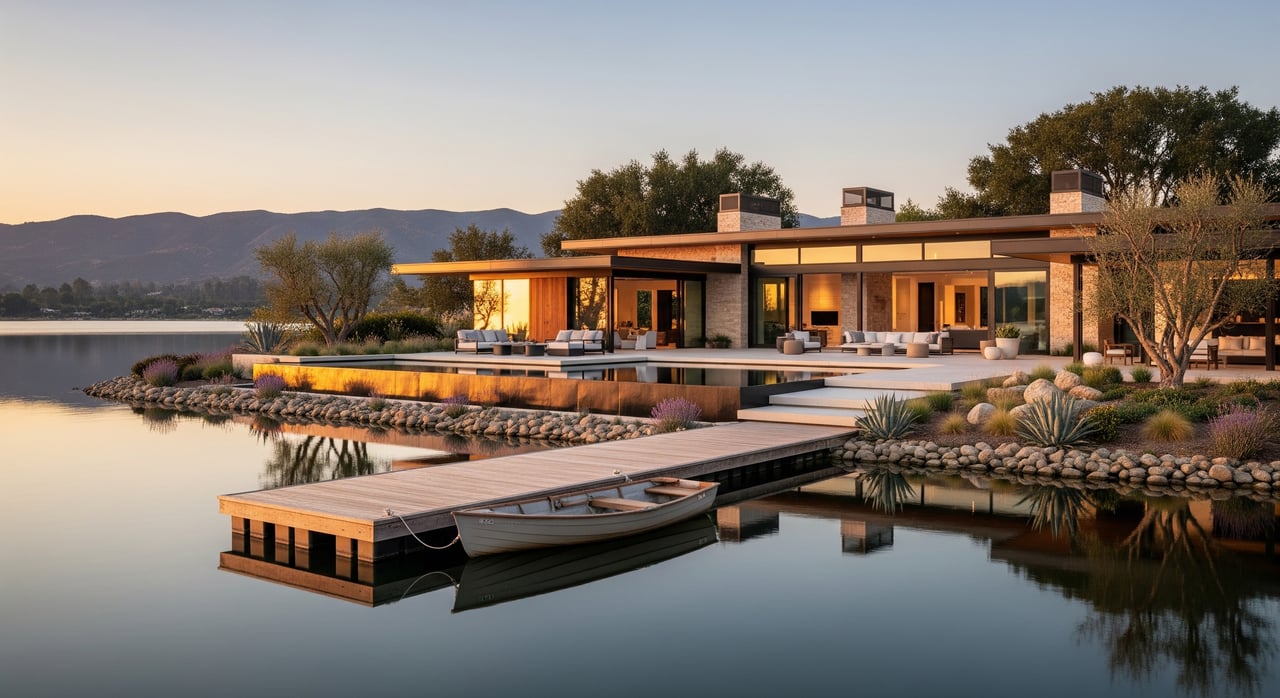
Lakefront living is defined by views and outdoor spaces. Many homes orient patios, decks, and upper terraces toward the water, so you enjoy morning light and evening reflections. Typical activities include kayaking, paddleboarding, rowing, casual boating, and fishing. Exact boat types, motor allowances, and speed or wake limits are set by the lake’s rules, so always verify what is permitted before you buy new equipment.
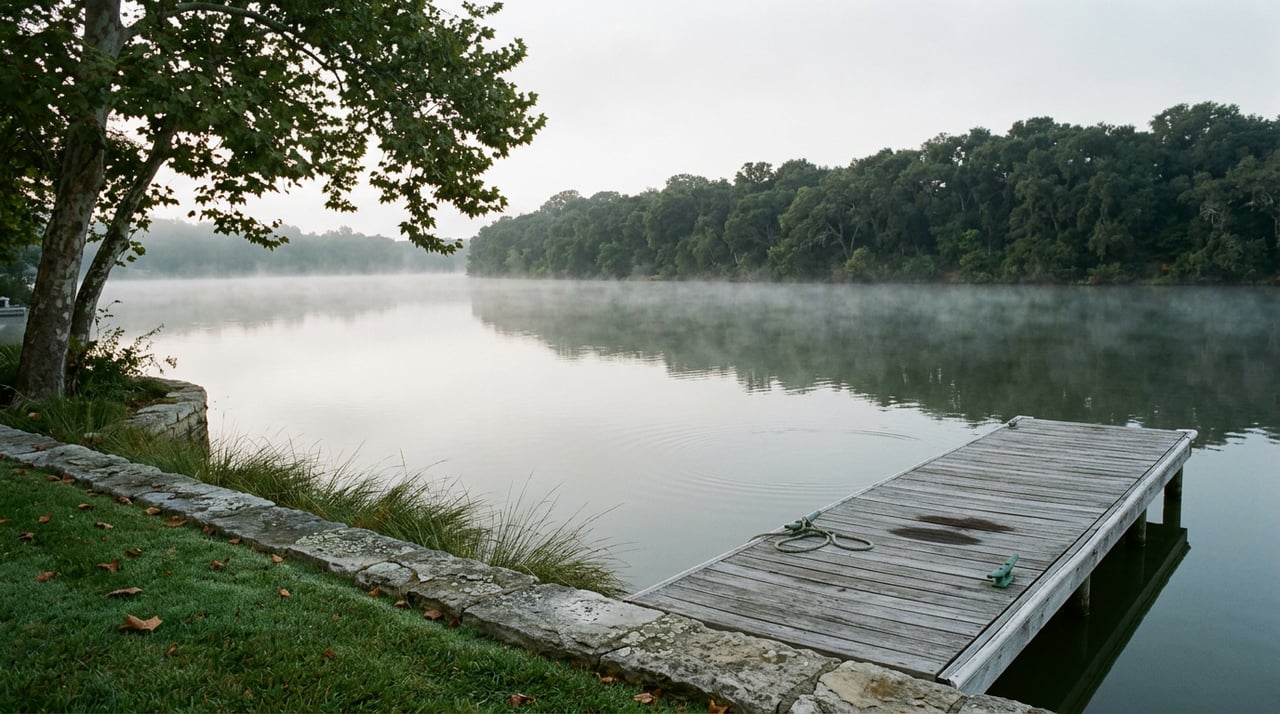
Private docks become a focal point. They function as an outdoor living room for relaxing, launching small craft, and hosting friends. Docks do require upkeep, which you should budget for just like you would roof or landscape care.
Weekdays tend to be quieter, with early morning exercise on the water and limited boat traffic. Weekends and holidays bring more activity and movement near the shoreline. Expect increased boat use and guest parking pressure during peak times. If you love a lively lake scene, this can be a benefit. If you prefer solitude, consider a lot with more privacy features or a location away from high‑traffic areas.
Guest access and parking can require planning, especially for larger gatherings or boat trailers. Some associations use guest passes, restrict trailer parking, or limit access points. Most homes connect to municipal utilities, but it is wise to confirm any easements or unique service setups at your address.
Careful document review is essential. Request and read the HOA CC&Rs, bylaws, rules and regulations, dock and shoreline standards, and any boat or wake rules. Ask for assessment schedules, reserve studies, and recent meeting minutes. This is where you will learn about watercraft limits, guest policies, dock insurance requirements, and upcoming capital projects.
Dock rights can be fee simple ownership, an easement, or a license administered by the lake association. Confirm whether the dock conveys with the property, whether it is transferable, and what approvals are required for repairs or replacement. Many associations require permits and design approval for dock work, and local jurisdictions may have additional requirements for shoreline structures.
Discuss coverage early with your insurer. Standard homeowners policies may exclude certain watercraft or dock coverage. Ask for quotes that include dock, boat, and liability protections suitable for lake use. Flood exposure varies by property. Even though the lake is manmade, adjacent homes may have lender requirements depending on map status. Verify what applies to your address and budget accordingly.
Plan for dock upkeep, shoreline care, landscaping near the water, and routine structural checks. Community‑level responsibilities often include water quality management, dam inspections and repairs, dredging, and pest control programs. These projects can lead to special assessments. Check recent assessment history and ask about the capital plan to avoid surprises.
Dredging, shoreline stabilization, or any major lake work can require permits and oversight from county, state, or even federal authorities. Environmental rules can limit certain shoreline modifications, protect native vegetation, and guide stormwater practices. Access controls are common, such as gated or coded entry for residents and guest passes during busy periods.
Lakefront homes generally command a premium over similar non‑waterfront properties. The size of that premium depends on scarcity, demand, and features like:
Factors that can dampen value include an aging dock or seawall, high lake or HOA fees, potential special assessments, nuisance boat traffic, algae issues, or water level variability.
Scarcity supports interest from buyers who want the lifestyle and prestige. At the same time, the buyer pool is more specialized. In cooler markets, marketing times can lengthen and price sensitivity can increase. Setting expectations early helps both buyers and sellers make confident decisions.
Use comparables that match your property’s dock rights and view quality. Near‑lake homes without docks are not appropriate comps for true waterfront. Document the dock’s maintenance history, any completed assessments, and water quality improvements. Clear disclosure gives buyers confidence and can support a stronger price.
Beyond a higher purchase price, plan for:
For many, the answer is yes. The appeal is powerful: serene views, easy water recreation, and a natural setting minutes from everyday conveniences. But it helps to go in with clear eyes. You trade some privacy for access, accept HOA and lake rules, and plan for maintenance and potential assessments. If you value outdoor living and community along the shoreline, Westlake Lake can be a rewarding long‑term choice.
If you are comparing homes with varying dock rights or view quality, or you are preparing a lakefront listing, a focused strategy makes a measurable difference. Pricing precision, full documentation, and presentation that sells the lifestyle will help you stand out and secure the right outcome.
When you are ready to talk specifics, from dock rights to staging a shoreline reveal, connect with Jaime Krupnick for local guidance that aligns with your goals. Request a Private Consultation.
Stay up to date on the latest real estate trends.



From first conversation to closing day and beyond, Jaime delivers a true concierge experience. She guides clients through every step of buying and selling with clarity and confidence, backed by a trusted team of top-tier professionals. Her team can assist every step from staging and design to photography, inspections, contractors and lending, ensuring the process feels seamless, elevated and exceptionally well managed.
Jaime Krupnick | CA DRE# 02139605
[email protected]
(310) 749-0703
100 N Westlake Blvd Ste 100A
Westlake Village, CA 91362
Rodeo Realty, Inc. | CA DRE# 00951359