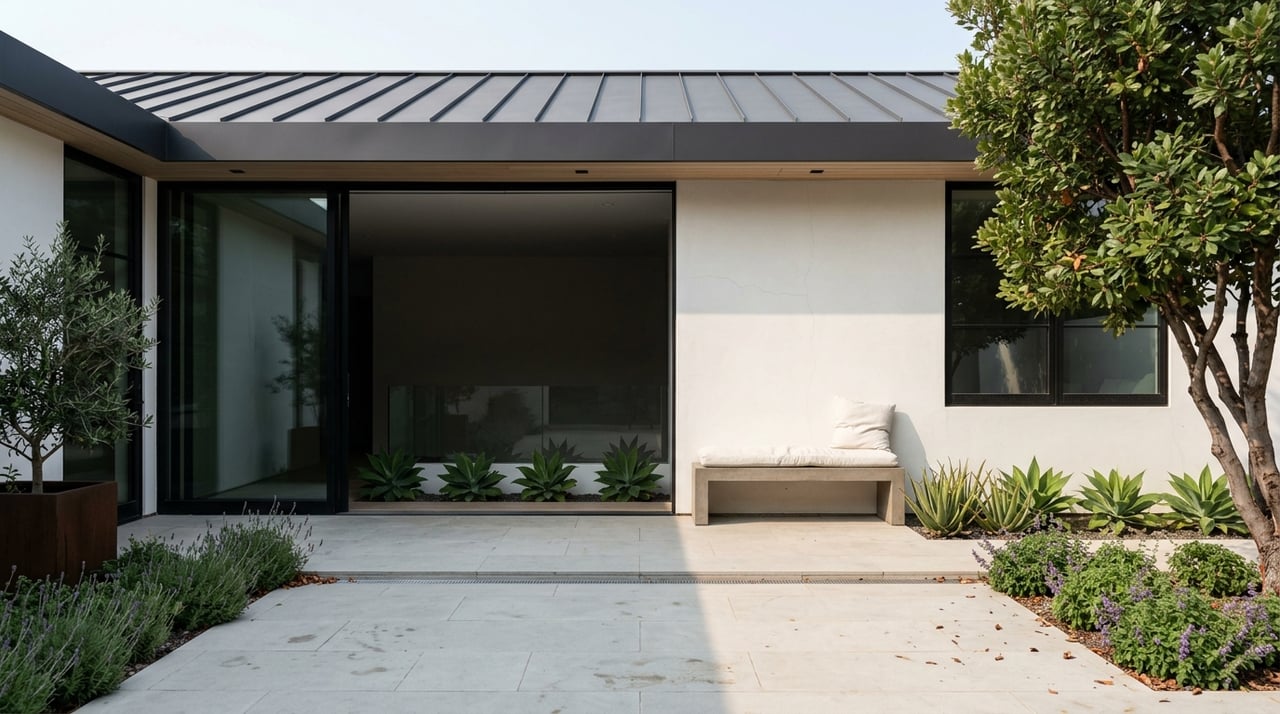
Buying A Second Home In Malibu: What To Consider
May 21, 2026
May 21, 2026
Dreaming about a place in Malibu sounds simple until you look past the view. A second home here can deliver the coastal lifestyle you want, but it also comes with rules, risks, and ownership details that matter long after closing day. If you are thinking about buying in Malibu, this guide will help you weigh the biggest factors before you make an offer. Let’s dive in.
Malibu is not just another beach market. The city spans 21 miles of coastline, with a mix of public beaches and public access ways that shape how people move through the area and use the shoreline.
That coastal setting is a major part of the appeal, especially if you want a lifestyle property for weekends, summers, or longer seasonal stays. But Malibu also sees a very active summer visitor pattern, and Los Angeles County lifeguards cover an estimated 11 to 12 million beachgoers each year.
For you as a buyer, that means the ownership experience is tied to more than the home itself. Traffic, parking, beach access, and seasonal activity can all affect how often you use the property and how private or convenient it feels.
The entire City of Malibu sits within the California coastal zone. Malibu’s certified Local Coastal Program gives the city local authority to review and approve coastal development permits, often called CDPs.
This matters because future changes to a home may involve more than a standard permit process. Remodels, additions, grading, and onsite wastewater treatment work can trigger coastal review, and many projects go before the Planning Commission or involve public hearings.
If you are buying a second home with plans to update it, expand it, or rework the site, do not assume those plans will be simple. In Malibu, the buildable envelope and improvement rights can be more limited than buyers expect.
That is especially true on beachfront and blufftop parcels. The city’s land-use framework and coastal engineering guidance emphasize avoiding wave run-up, flooding, and erosion hazards without relying on shoreline protection.
On some oceanfront properties, the restrictions are highly specific. Malibu’s coastal engineering guidelines note that basements are not allowed on beachfront parcels, and new or upgraded onsite wastewater treatment systems on those parcels can require coastal engineering review and site-specific wave run-up studies.
In plain terms, the ocean view is only one part of the value story. You also need to understand what you can improve, what may be difficult to approve, and how those limits could affect long-term enjoyment and resale.
Malibu states that the city is in a High Fire Severity Zone. Its emergency materials highlight hot, dry, windy weather and Santa Ana wind conditions as a major part of local risk.
For second-home owners, this deserves extra attention because you may not be on site year-round. A home that sits vacant part of the year needs a clear readiness plan, not just a beautiful setting.
Malibu uses alerts for road closures, utility outages, weather hazards, and evacuations. The city also notes that advisories can be issued for Red Flag Warnings, Wind Advisories, and rain storms that can trigger flooding or debris slides.
If you buy here, you should know evacuation routes and sign up for city alerts and disaster notifications early. These are basic ownership steps, especially if your property is coastal, hillside, or used seasonally.
Malibu offers no-cost, no-obligation Home Wildfire Assessments, and the city notes that Firewise certification can help lower insurance rates. The California Department of Insurance also says insurers must provide wildfire-safety discounts for certain mitigation measures.
That creates an important planning opportunity. Before you close, it is smart to evaluate both the property’s current condition and the steps that may improve insurability and ongoing costs.
Insurance is one of the most important diligence items for a Malibu second home. In this market, it should never be treated as something to sort out after you are already in contract.
The California Department of Insurance says the FAIR Plan is a safety net for people who cannot obtain coverage elsewhere, but it provides only limited fire and smoke coverage. Owners often need separate policies for water damage, liability, theft, and other risks.
That means your true insurance picture may involve layered coverage, not a single simple policy. If you are comparing two homes at similar price points, insurance availability and cost may become a meaningful deciding factor.
Malibu’s 2026 Coastal Vulnerability Assessment points to long-term exposure from sea-level rise, tidal inundation, storm flooding, and coastal erosion. These issues matter most for beachfront and blufftop parcels, but they can influence ownership decisions well beyond the shoreline.
If you are buying for lifestyle and legacy, think beyond today’s photos and views. Consider future repairs, resilience investments, and how environmental exposure could shape resale and capital planning over time.
For some buyers, the biggest surprise is that new development may not be able to rely on shoreline protective devices. Malibu’s coastal guidance says shoreline protective devices are generally limited, and new development may not depend on them.
That is a major point to understand before you buy a coastal parcel. It can affect how you evaluate lot position, improvement potential, and your comfort with long-term risk.
A Malibu beachfront address does not automatically mean exclusive private sand. The California Coastal Commission’s Malibu access guidance shows that public shoreline access easements exist in places such as Carbon Beach, and public use rights extend seaward of the ambulatory mean high tide line.
The city also notes that Malibu includes public access ways to many private beaches, along with several public beaches operated by the County or State. For you, that means the day-to-day reality of ownership may include more public shoreline activity than the listing photos suggest.
This is not necessarily a downside, but it is a lifestyle detail worth understanding clearly. If privacy, entertaining, or easy walk-out beach use is a top priority, access patterns and easements should be part of your review.
In Malibu, convenience is often tied to seasonality. The city notes that some beaches have fee-based parking, some have limited parking, and summer enforcement focuses on crowd control and parking enforcement.
If your second home is meant for hosting family and guests, these details matter. A property can be stunning on paper yet feel very different during peak summer weekends when access, parking, and traffic are more challenging.
If you hope to offset costs with rental income, Malibu’s short-term rental rules are critical. The city says homes or other structures rented or leased for 30 days or less must obtain a permit and are subject to transient occupancy tax.
Operating without a valid short-term rental permit can lead to fines of $1,000 per day or twice the daily rental rate, whichever is higher. Owners must also provide guests with the city’s Short-Term Rental Code of Conduct and post it by the main entrance.
Malibu also describes newer Hosted STR rules as pending Coastal Commission certification before they can take effect. The city says those pending rules would add onsite-host, primary-residency, and multifamily restrictions.
For a second-home buyer, the key message is simple: do not assume rental flexibility. If income is part of your purchase strategy, confirm the current rules and assess whether the property still makes sense if rental use is limited.
A Malibu purchase often works best when you approach it as both a lifestyle decision and a diligence-heavy investment. Before moving forward, focus on the items most likely to affect use, cost, and future flexibility.
Here is a practical starting checklist:
For many buyers, a second home in Malibu is still deeply compelling. The coastline, the setting, and the experience of being near the ocean are exactly what make this market special.
The key is going in with clear eyes. Malibu tends to suit buyers who value lifestyle and are comfortable with a more regulated ownership experience that may include coastal permitting, wildfire mitigation, insurance complexity, seasonal congestion, and limited rental flexibility.
If that balance fits your goals, Malibu can be an exceptional second-home market. If you want a strategic, discreet view of what to watch for as you search, Jaime Krupnick can help you evaluate the details behind the address.
Stay up to date on the latest real estate trends.

From first conversation to closing day and beyond, Jaime delivers a true concierge experience. She guides clients through every step of buying and selling with clarity and confidence, backed by a trusted team of top-tier professionals. Her team can assist every step from staging and design to photography, inspections, contractors and lending, ensuring the process feels seamless, elevated and exceptionally well managed.
Jaime Krupnick | CA DRE# 02139605
[email protected]
(310) 749-0703
100 N Westlake Blvd Ste 100A
Westlake Village, CA 91362
Rodeo Realty, Inc. | CA DRE# 00951359