Buying Ranch Land In Somis: Water, Soils And Zoning 101
May 14, 2026
May 14, 2026
If you are buying ranch land in Somis, the house is only part of the story. What really shapes your long-term success is whether the water source, soil conditions, and zoning rules support the way you plan to use the property. A beautiful parcel can look perfect at first glance, but ranch value in Somis comes down to what the land can actually do. Let’s dive in.
In Somis, buying land is not just a typical home search. It is a diligence process tied closely to water access, groundwater conditions, soil capability, and Ventura County land-use rules.
The area sits within the Las Posas Valley groundwater basin. That matters because water availability and water quality can vary from one parcel to the next, even when properties are close together. It also means buyers need to verify more than acreage, views, and improvements.
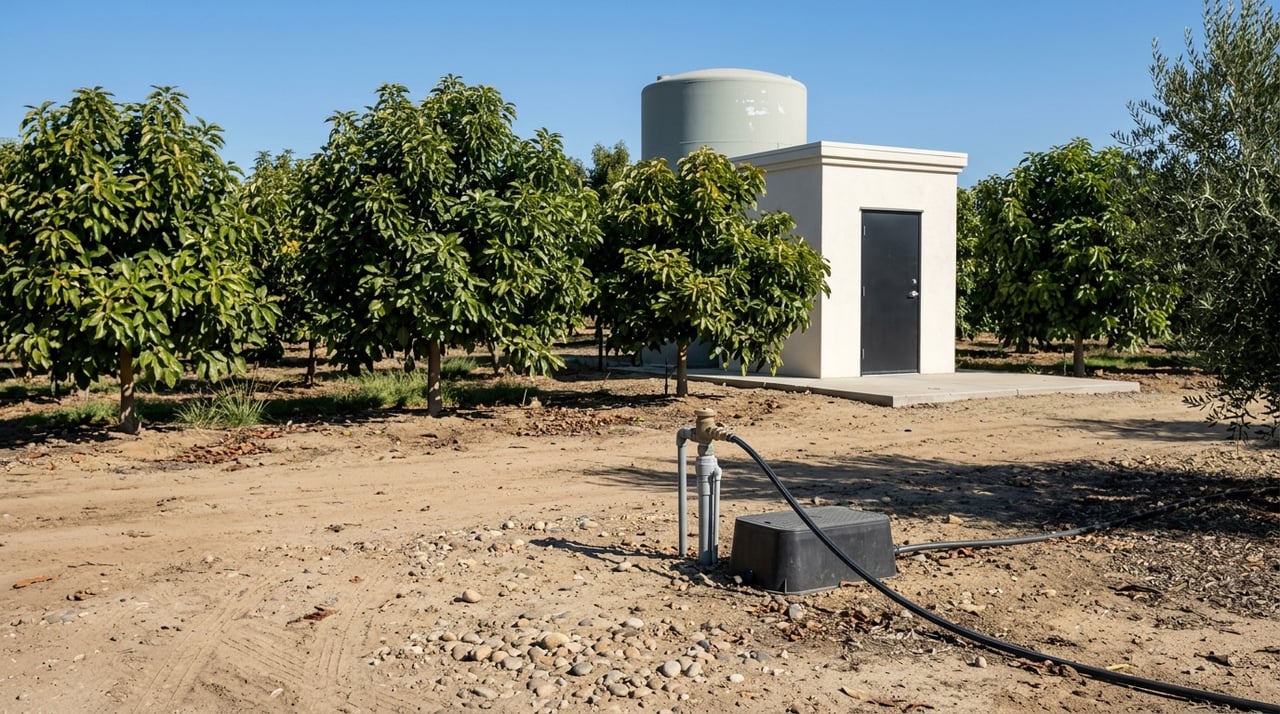
For many ranch buyers, water is the first issue to sort out. Before you get attached to a parcel, you want to know exactly how the property is supplied and whether that supply fits your plans.
Some Somis properties are served by Ventura County Waterworks District No. 19 for potable retail water. Other parcels may rely on a private well, or in some cases a mix of district water and well water. The only safe approach is to confirm the actual supply path by APN.
This sounds simple, but it is one of the most important questions you can ask. A listing may describe a property broadly, but your diligence should confirm whether the parcel is on district water, private well service, or a combination.
That distinction affects day-to-day use, future improvements, irrigation planning, and your budget. If your intended use depends on reliable water for orchards, pasture, or horses, you need specifics early.
The Las Posas Valley basin includes a shallow aquifer used locally, along with deeper confined systems. That means groundwater conditions can differ based on the parcel’s location and well setup.
County records also show an active groundwater adjudication notice for the Somis-to-Moorpark area. According to Ventura County, that lawsuit is intended to determine groundwater rights for people who pump from, or own property overlying, the basin.
One of the biggest mistakes buyers make is assuming nearby parcels have similar water quality. In this basin, that is not always true.
State basin data and county groundwater monitoring materials show that salts and nitrate can be elevated in some areas. The same materials note lower chloride and lower total dissolved solids near the Somis Fault in the eastern part of the basin. In practical terms, two nearby properties may have very different treatment needs and well performance.
If your plan may require a new well, verify the process before removing contingencies. Ventura County says that within the Fox Canyon Groundwater Management Agency boundary, an owner must first obtain the agency permit and then apply for the county well permit.
That sequence matters. If you assume a new well is straightforward without checking permits, timelines, and testing requirements, you can create delays and added expense after closing.
When you are serious about a parcel, ask for as much backup as possible. Historic records can help you assess risk before you commit.
Request:
County groundwater staff maintain historic well logs, water-quality data, and well-construction records. The county also uses pump-and-recovery testing when a domestic well is the sole source for a new or expanded use.
Once water is understood, the next major question is the ground itself. In ranch purchases, soils affect much more than crop choice.
Soils can influence drainage, root depth, irrigation efficiency, grading cost, and how well a parcel supports orchards, pasture, horses, or future building pads. In other words, the right soil fit can make the land easier and less costly to use the way you intend.
The Ventura Area soil survey shows that the main Las Posas Valley soils formed in deep alluvium derived mostly from sedimentary rock. These valley soils are used for citrus and field crops.
Nearby soil associations, including Rincon-Huerhuero-Azule and Calleguas-Arnold, cover more varied terrain. Those areas can include steeper slopes and soils with greater limits related to depth, shale, or watershed conditions.
For a Somis buyer, the soil name alone is not enough. You also want to know whether the parcel maps as prime farmland, farmland of statewide importance, or a more limited hillside soil.
The California Department of Conservation’s Ventura County farmland soils list includes high-value agricultural map units such as Azule, Camarillo, Huerhuero, Mocho, Sorrento, and Vina. That can be useful for screening, but parcel-specific review is still essential.
A ranch purchase works best when the soil profile matches the lifestyle or operation you have in mind. If you are thinking about orchard planting, pasture use, horse facilities, or a new building pad, site conditions need to support that plan.
Soil maps are a strong starting point, but they are not the final answer. If you expect heavy irrigation, new construction, or specialized agricultural use, site-specific testing or inspection can help you avoid expensive surprises.
Even if the water and soils look promising, the county rules still control what you can do. In Somis, zoning and land-use overlays can have a major impact on value and future flexibility.
That is why ranch buyers should treat zoning review as a core part of diligence, not a last-minute checkbox. The exact APN matters more than general assumptions about the area.
Ventura County’s Agricultural Exclusive zone has a 40-acre minimum lot area. The county zoning code also shows that agricultural uses such as crop and orchard production, animal husbandry, and packing or preliminary processing without structures are permitted in agricultural zones.
That sounds straightforward, but you still need to confirm the parcel’s exact zoning and general plan designation on the county map. Listing remarks alone are not enough.
Many buyers assume agricultural land allows any ranch setup they want. In reality, Ventura County regulates animal-keeping and equestrian uses through animal-unit counts, setback rules, and permit thresholds.
If you plan to add horses, expand a boarding use, or build more intensive ranch infrastructure, county review may be required. The earlier you confirm the permit path, the better.
Ventura County’s Agricultural/Urban Buffer Policy can also shape how a property functions. Under that policy, new urban or non-farming uses next to active agriculture generally should provide a 300-foot setback and chain-link fence, or a 150-foot setback when a vegetative screen is installed.
This is especially important if you want to build near active farmland. It can affect site planning, layout, and how close certain improvements can be placed to neighboring agricultural uses.
Some of the most important restrictions are not obvious from a basic listing sheet. Ventura County administers the Williamson Act to help keep land in commercial agricultural production, and county materials state that land with an Agricultural general plan designation is treated as an Agricultural Preserve under that program.
The county’s materials also state that the countywide SOAR ordinance was renewed to 2050 and requires countywide voter approval for changes involving Agricultural, Open Space, or Rural designations. For buyers, this means future land-use changes may be far more limited than expected.
Before you remove contingencies on ranch land in Somis, slow the process down and confirm the essentials. A careful review up front can protect both your plans and your investment.
Use this checklist as a starting point:
In Somis, the strongest ranch purchases are the ones where the intended use, water source, soils, and zoning all line up before contingencies come off. Acreage and views matter, but they are only part of the equation.
If you want a ranch property that works for your goals, diligence has to come first. With the right review, you can move forward with clarity and avoid buying land that looks appealing but does not support the life or operation you have in mind.
If you are considering a ranch or equestrian purchase in Ventura County and want thoughtful guidance through the details, Jaime Krupnick offers a discreet, high-touch approach tailored to complex land and lifestyle properties.
Stay up to date on the latest real estate trends.

From first conversation to closing day and beyond, Jaime delivers a true concierge experience. She guides clients through every step of buying and selling with clarity and confidence, backed by a trusted team of top-tier professionals. Her team can assist every step from staging and design to photography, inspections, contractors and lending, ensuring the process feels seamless, elevated and exceptionally well managed.
Jaime Krupnick | CA DRE# 02139605
[email protected]
(310) 749-0703
100 N Westlake Blvd Ste 100A
Westlake Village, CA 91362
Rodeo Realty, Inc. | CA DRE# 00951359