Estate-Size Homes In Westlake Village: Buyer Essentials
June 11, 2026
June 11, 2026
Looking for an estate-size home in Westlake Village? It is easy to focus on square footage, views, and backyard amenities, but the real story often starts with the land, the tract rules, and the long-term ownership details. If you want a property that fits your lifestyle and your plans, understanding how Westlake Village works can help you buy with more confidence. Let’s dive in.
In Westlake Village, estate-size living does not always mean the same thing from one neighborhood to the next. The local housing mix includes lakefront residences, view-oriented estates, and larger parcels in neighborhoods with their own rules and design controls.
That matters because luxury here can show up in very different forms. You might find a compact waterfront home with premium outdoor living, or a much larger property with more usable land, privacy, and room for expanded amenities.
Westlake Village is also a master-planned community with 20 neighborhoods and active HOAs. That structure helps preserve a consistent look and feel, but it also means buyers need to evaluate each property within its specific neighborhood standards.
If you are shopping for an estate-size home in Westlake Village, it helps to start with a realistic pricing band. Recent market trackers place typical pricing in the mid-$1.6 million to high-$1.7 million range, depending on the source and the way the data is measured.
Zillow reported a typical home value of $1,606,309. Redfin reported a median sale price of $1,749,097 in April 2026, and Realtor.com reported a March 2026 median listing price of $1,775,000, with a 99% sale-to-list ratio and a median $706 per square foot.
For estate buyers, those figures are best used as a baseline, not a rule. Larger lots, privacy, views, lake orientation, and outdoor features can all move pricing well beyond the broader market range.
One of the most important early steps is confirming whether the home is actually within Westlake Village city limits. Many properties carry a Westlake Village mailing address but are not inside the city, and the original community spans both Los Angeles and Ventura counties.
That can affect which rules, permit processes, and oversight apply to the property. Before you assume city regulations govern a home, you will want to verify the exact jurisdiction and understand what that means for current use and future plans.
When you tour estate-size homes, lot size tells only part of the story. In Westlake Village, tract-level conditions can shape what you can actually do with the land, including setbacks, structure placement, walls, and accessory uses.
The city uses R-1 and RPD residential zoning, and several neighborhoods have special conditions that can override the broader municipal code. That means one estate property may allow a very different layout or improvement path than another, even if both seem similar online.
For buyers who care about privacy, outdoor entertaining, or equestrian potential, usable land often matters more than the raw lot number. You should look closely at how much of the parcel is truly functional for your goals.
Some of Westlake Village’s smaller-lot neighborhoods show just how tailored these rules can be. In Lakeshore, homes may be arranged in rows or small groups, with a minimum lot size of 2,700 square feet, an average lot size of 3,000 square feet, and at least 30 feet of frontage.
Southshore and Westlake Island require a minimum lot size of 4,500 square feet and a minimum width of 45 feet. In First Neighborhood, some homes may have zero side-yard setback on one side and reduced separation for patio lots.
These examples make one point very clear: a luxury address in Westlake Village does not automatically mean a sprawling parcel. You need to match the neighborhood’s physical rules to the kind of ownership experience you want.
Westlake Trails is one of the clearest estate-style examples in the area. Its conditions limit structures to 50% of net lot area, and residential lots of 15,000 square feet or more may keep up to two horses.
If you are looking for more breathing room, animal uses, or room for meaningful outdoor improvements, details like these can have a major impact on value. This is where estate buying becomes more about land strategy than just house shopping.
Estate-size homes in Westlake Village often stand out through layout as much as through size. Local luxury inventory includes single-story estates, split-level homes, and winged floor plans that separate the primary suite from secondary bedrooms.
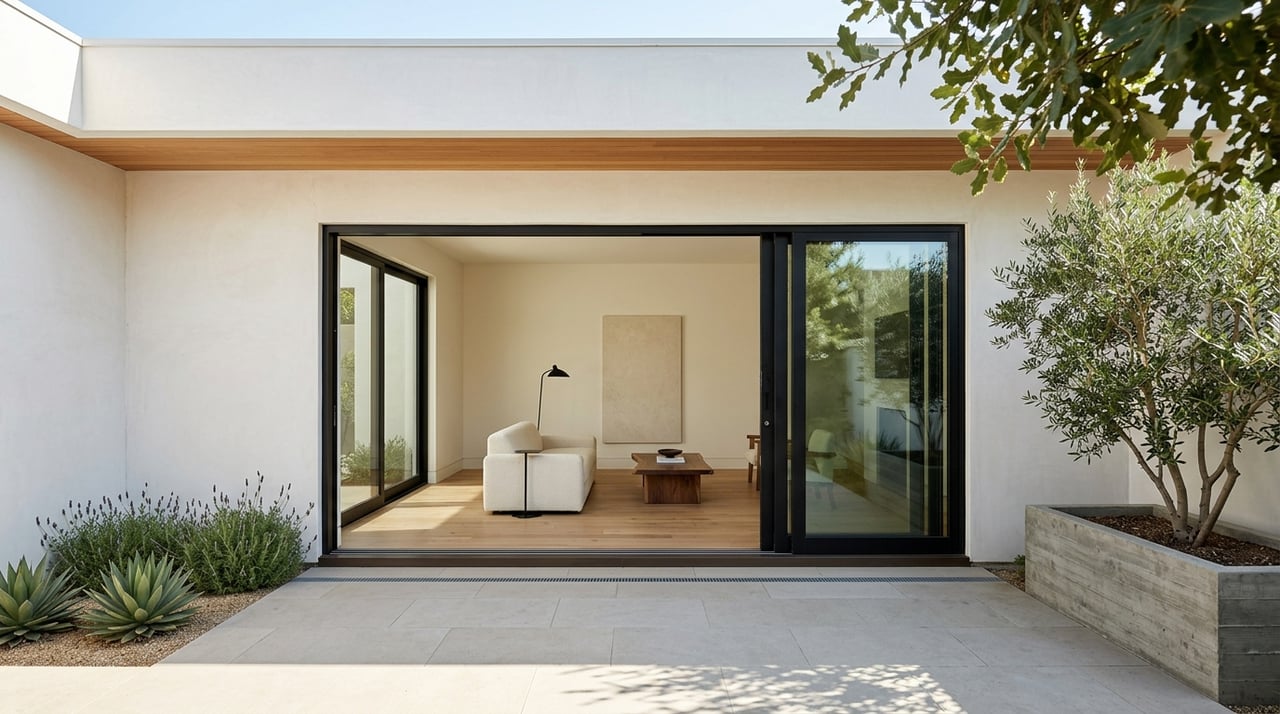
That kind of layout can shape your day-to-day life in important ways. It may improve guest privacy, support long-term comfort, or make it easier to enjoy indoor-outdoor living without constant backtracking through the house.
When you compare homes, pay attention to how the plan lives, not just how it photographs. The best fit is often the one that supports your routines, entertaining style, and future needs.
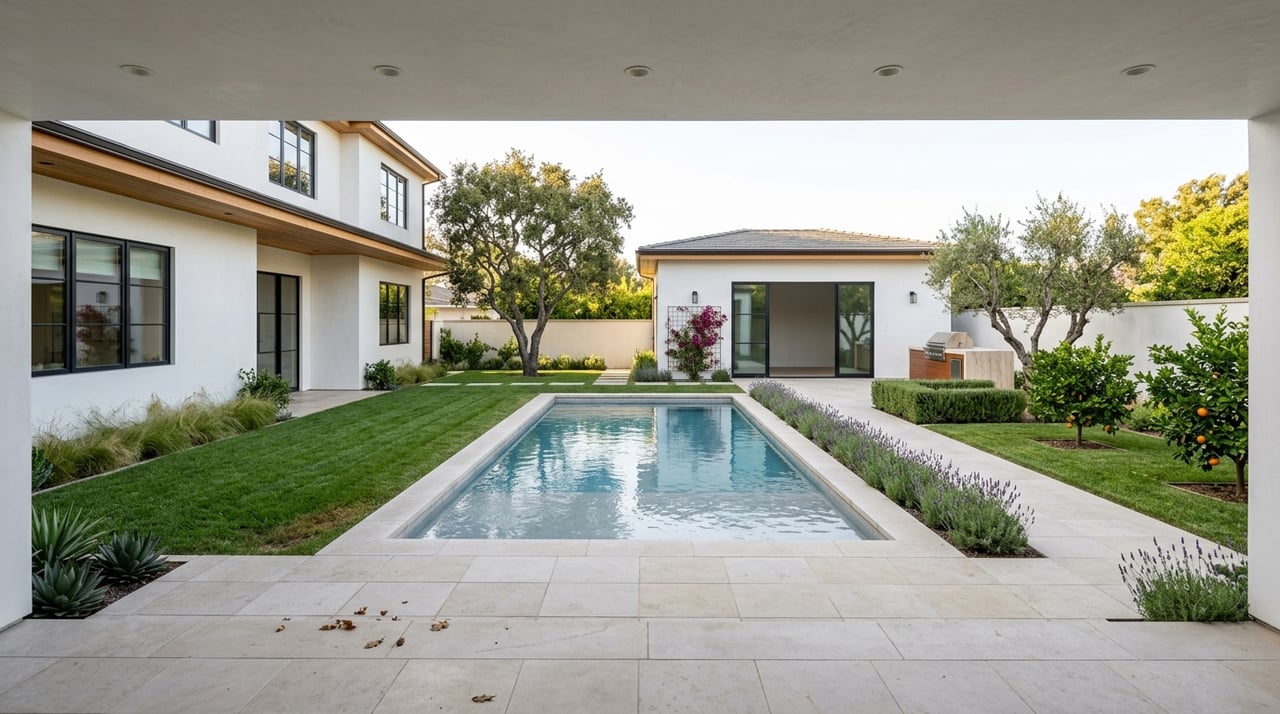
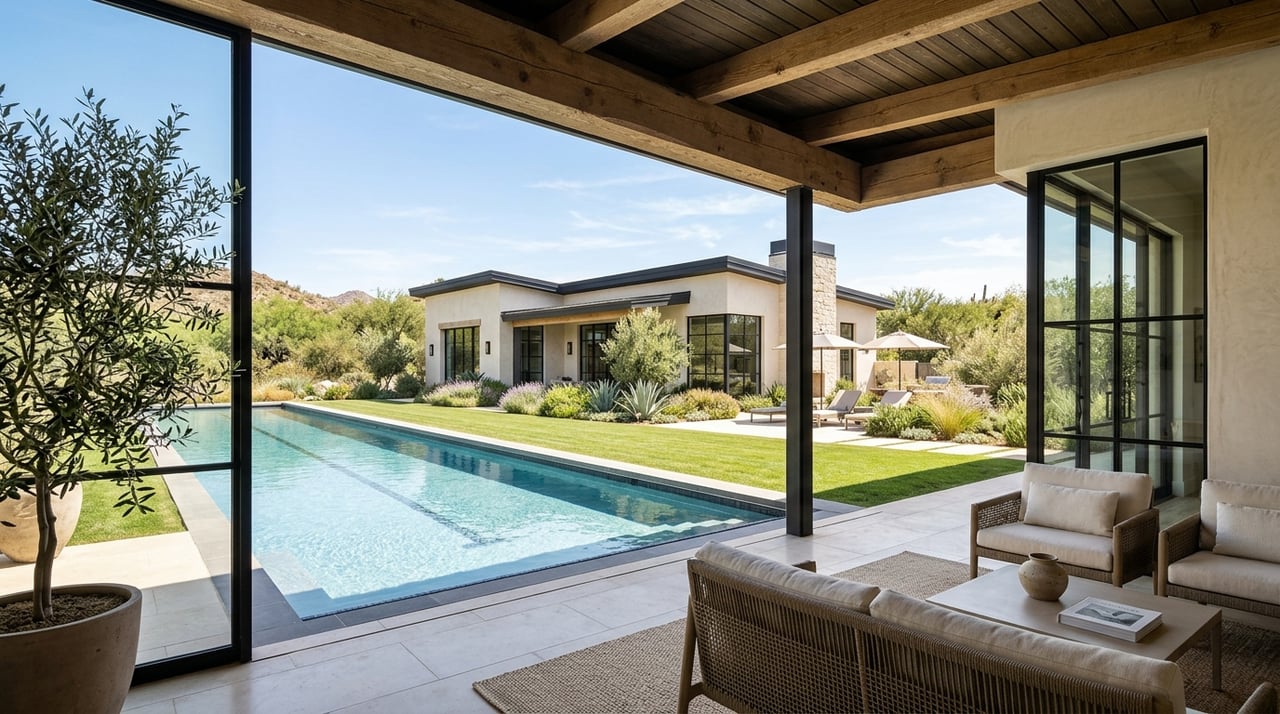
Outdoor livability is a core part of luxury pricing in Westlake Village. Buyers often compare pools, spas, built-in BBQs, outdoor kitchens, privacy-oriented yards, and view-focused settings when they assess estate homes.
This is especially important in a market where the outdoor environment is part of the lifestyle appeal. A large backyard is not automatically equal to a better backyard if drainage, privacy, access, or design restrictions limit what you can do with it.
You will also want to think about maintenance along with beauty. Mature landscaping, hardscape, water features, and pool areas all add to the ownership picture over time.
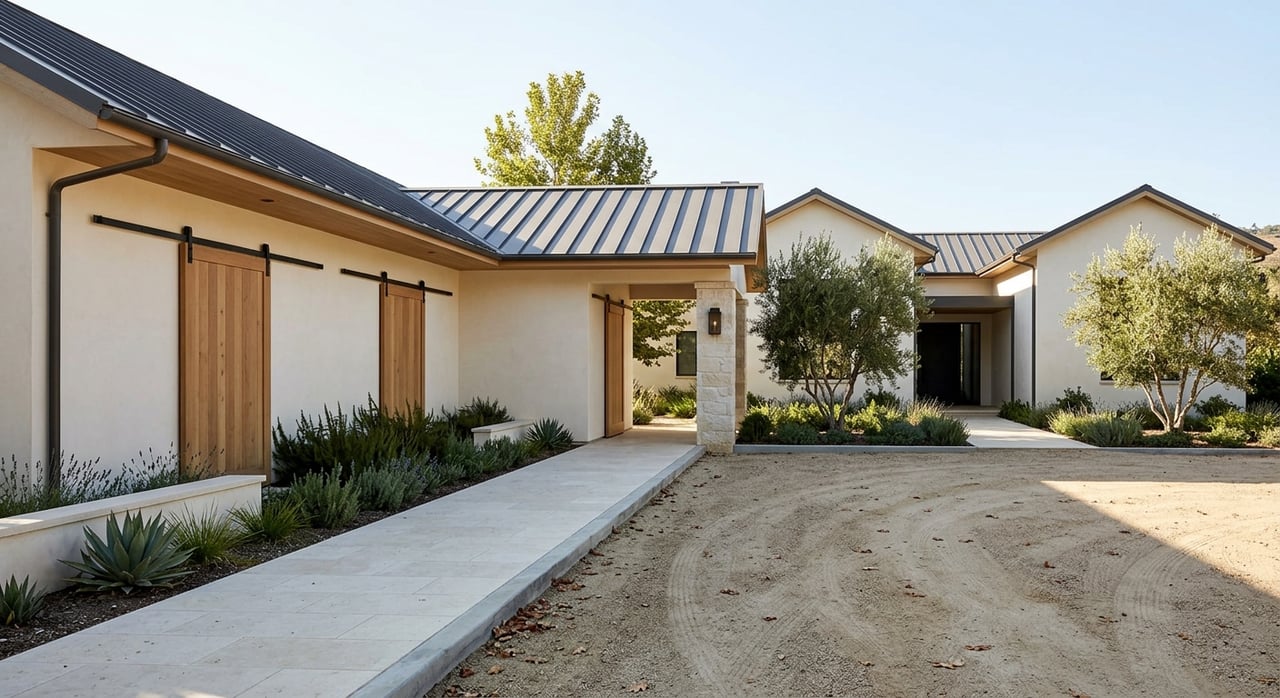
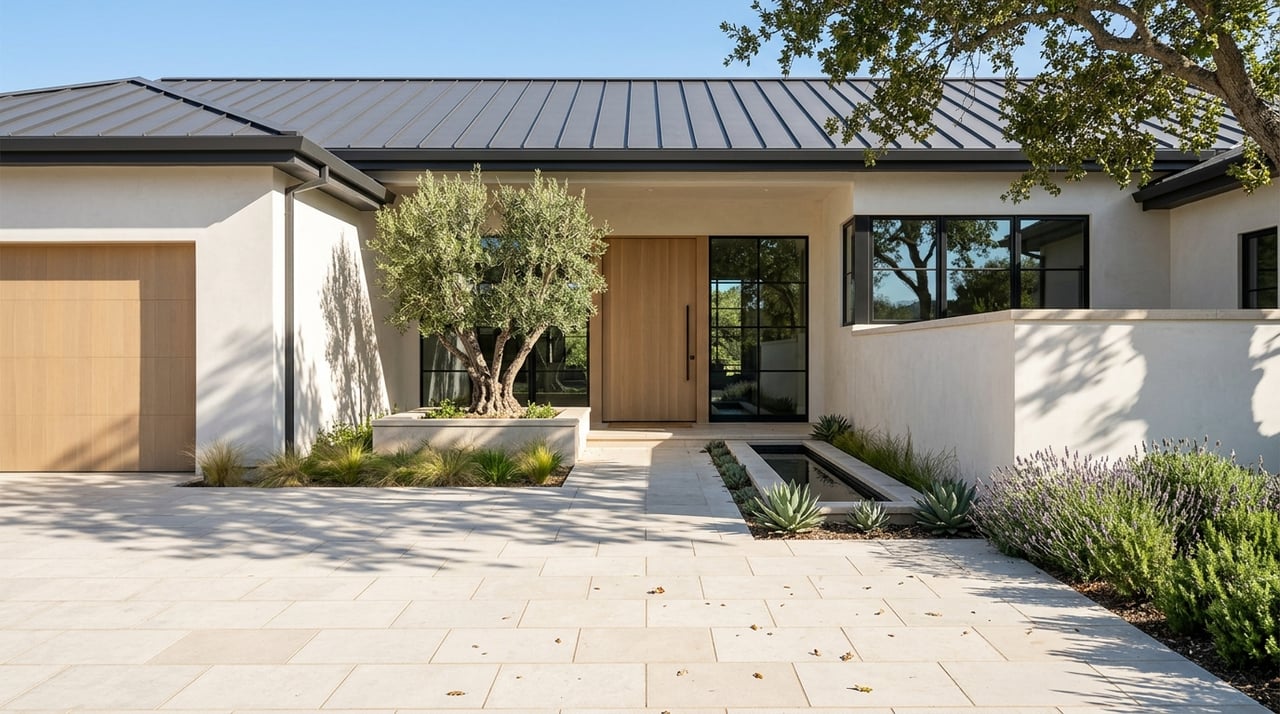
Westlake Village has a strong design identity, and estate buyers should factor that into the purchase decision. The city’s planning materials identify Mediterranean and revival styles, Craftsman, California Ranch, and contemporary architecture as part of the local pattern.
Mediterranean and Spanish Revival influences are especially common, with features such as interior-facing courtyards, water elements, tile accents, wrought iron, stucco or stone facades, clay tile roofs, and arched openings. That gives the community a polished visual consistency, but it also means exterior changes are not purely personal design choices.
City guidance says building colors should fit the community’s earth-tone character, and HOAs often control the practical palette owners can use. If you are planning to update paint, windows, doors, or visible additions, those decisions may require more review than you expect.
Privacy is a major priority for many estate buyers, but in Westlake Village, privacy improvements are regulated. The city generally limits front-yard fences and walls to 42 inches, while side and rear fences and walls are typically limited to six feet.
HOA approval is required before a fence application can move forward. So if a property feels a little too open when you tour it, do not assume you can simply add taller walls or a more enclosed front approach after closing.
Sightlines matter too. Some neighborhood rules use 45-degree cones of vision and other setback controls around driveways and front yards, which can affect whether a gate, hedge, or addition will fit where you want it.
Owning an estate-size property usually means higher operating complexity, and Westlake Village is no exception. The city’s water system is operated through Las Virgenes Municipal Water District, which imports 100% of its drinking water.
The district says its water-budget system ties outdoor use to parcel size, landscaping type, and certain adjustments, including horses or livestock. If you are buying a property with extensive turf, mature landscaping, a pool, or equestrian use, those features can materially affect monthly costs.
Fire readiness is also a year-round responsibility. The city recommends defensible space and warns against high-hazard plants near homes, which is especially important on larger lots with more brush and land to maintain.
Stormwater deserves attention as well. Nearly all city runoff drains toward Westlake Lake and Triunfo Creek, so landscape planning, irrigation, drainage, fertilizer use, and pool-water discharge all play a role in responsible long-term ownership.
If you are considering a remodel, a pool house, a gate, or any major exterior improvement, diligence should start before you write an offer. In Westlake Village, a zoning clearance is required before a building permit, residential projects need HOA approval, and the city contracts with Los Angeles County for building and safety records.
That layered review process is one reason buyers should verify permit history and neighborhood conditions early. A feature that looks straightforward on paper may involve more constraints once you review the tract rules and approval path.
For estate-size homes, this step is especially important because larger parcels often invite bigger plans. The more ambitious your vision, the more valuable it is to understand the property’s actual limits from the start.
In many ways, Westlake Village functions like a highly managed luxury enclave. The tradeoff is appealing to many buyers: you get a strong sense of neighborhood identity and visual consistency, but you also need to work within design controls, HOA review, water-budget rules, and ongoing land-management responsibilities.
That is why the smartest buyers look beyond the obvious. They focus on jurisdiction, tract rules, usable lot area, privacy limitations, operating costs, and renovation feasibility before they fall in love with finishes alone.
When you do that, you put yourself in a much stronger position to choose a home that fits both your lifestyle and your long-term plans. If you are exploring estate-size homes in Westlake Village and want a more tailored, property-by-property perspective, connect with Jaime Krupnick for a private consultation.
Stay up to date on the latest real estate trends.

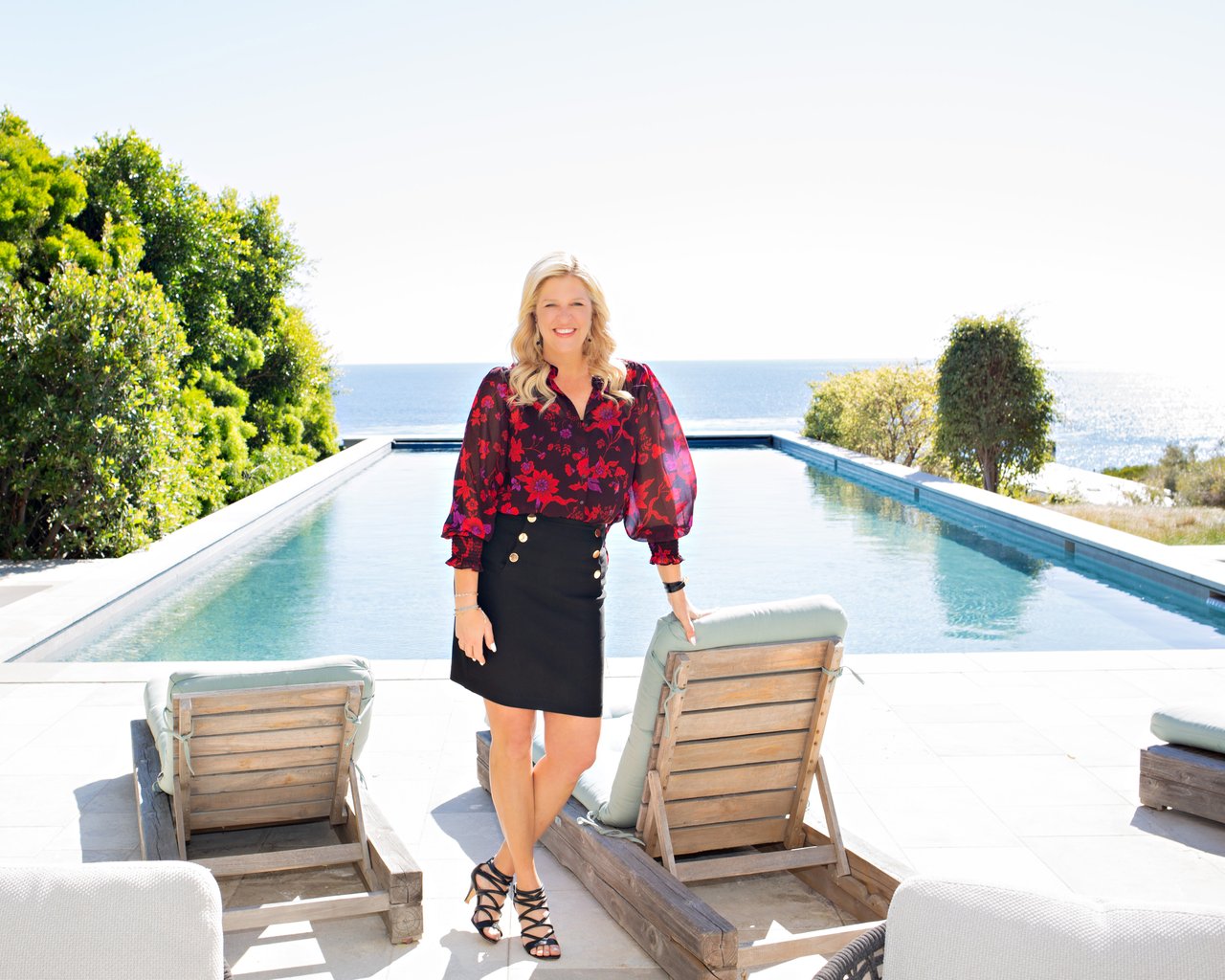
From first conversation to closing day and beyond, Jaime delivers a true concierge experience. She guides clients through every step of buying and selling with clarity and confidence, backed by a trusted team of top-tier professionals. Her team can assist every step from staging and design to photography, inspections, contractors and lending, ensuring the process feels seamless, elevated and exceptionally well managed.
Jaime Krupnick | CA DRE# 02139605
[email protected]
(310) 749-0703
100 N Westlake Blvd Ste 100A
Westlake Village, CA 91362
Rodeo Realty, Inc. | CA DRE# 00951359